About
In middle school, a few friends and I tried something that now seems a little out of place in hindsight: building a microsatellite. Inspired by QB50 CubeSats and LilacSat-1, we named it KiteSat. Working with scarce resources and an unfinished plan, that attempt was the first time I understood that curiosity alone can push you toward something far beyond your current reach.
The path since then hasn't been straight. University brought COVID-19, then military conscription — two years in a high-security environment. When I came back, ChatGPT had arrived and the relationship between technology and society was undergoing a profound shift — something that felt like a genuine inflection point.
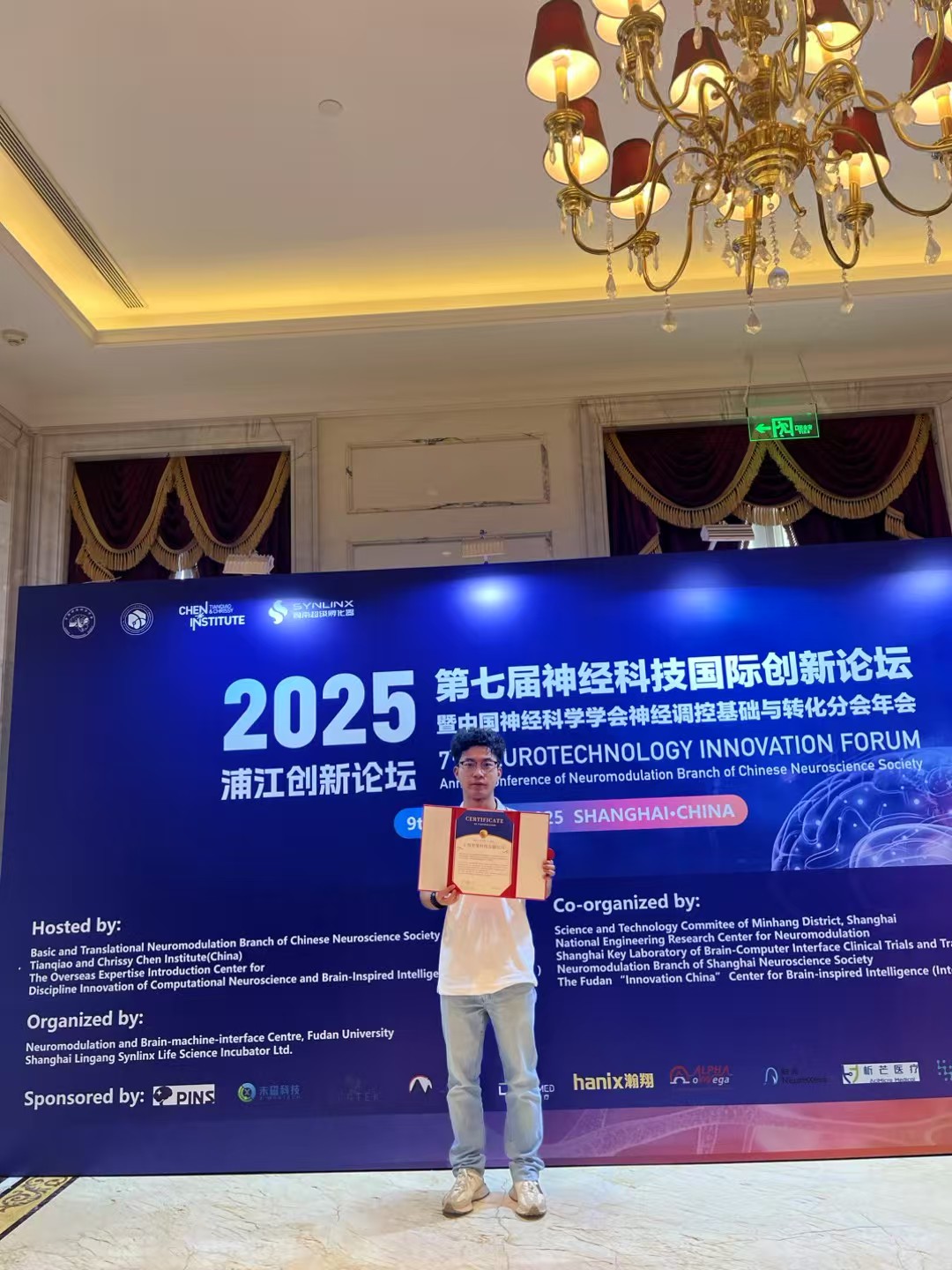
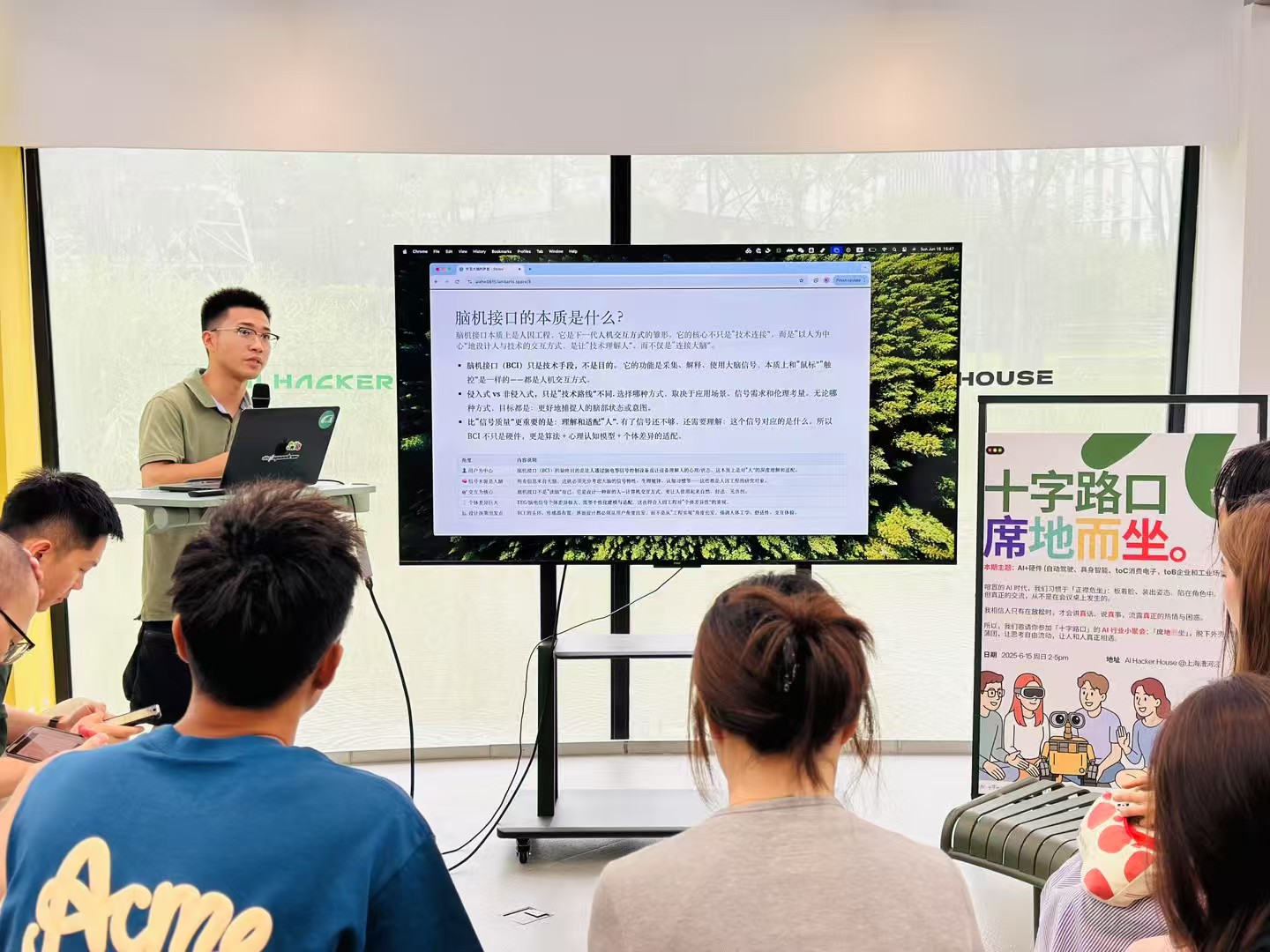
Against that backdrop, I started rethinking how technology, products, and people relate to each other. I came at it through financial market research, then extended into brain-computer interfaces and consumer electronics — paying attention to how technology shapes cognition, decision-making, and everyday experience, while trying to understand the inner logic of different systems. I launched the FreeBCI open-source community, hoping to explore more possibilities in human-technology interaction through open collaboration.
For the past two years, I've been trying to make something happen. Starting from a technical foundation, working back to product thinking, then using that lens to reexamine the industry. It hasn't been linear — but it sharpened a few convictions: the era of coding as a scarce skill is fading; AI will rebuild existing product forms from scratch; and the next real paradigm shift in computing will likely happen at the boundary of human-computer interaction.
I'm still developing. What I want now is to join a company as an intern, and put the technical judgment, product instincts, and cross-domain understanding I've built over these years through the grind of a real business context.